


Creating a Peaceful Home Environment for Emotional Wellbeing

A home should be a sanctuary where you feel safe, relaxed, and supported. Yet, many people find their living spaces cluttered, noisy, or stressful, which can affect their emotional wellbeing. Creating a calm home environment is not just about aesthetics; it’s about building a space that nurtures your mind and body every day. This post explores practical ways to transform your home into a peaceful retreat that supports your emotional health.

Clear Clutter to Clear Your Mind
Clutter can overwhelm your senses and increase stress. When your home is filled with unnecessary items, it becomes harder to relax and focus. Start by:
Sorting through belongings room by room
Keeping only items that bring joy or serve a purpose
Organizing storage spaces to reduce visible mess
For example, a clutter-free kitchen with clean countertops invites calm and makes cooking more enjoyable. When you reduce clutter, your mind feels less distracted, which helps you stay centered.
Use Soft, Natural Lighting
Harsh artificial lighting can strain your eyes and disrupt your mood. Natural light has a calming effect and helps regulate your body’s internal clock. To improve lighting:
Open curtains and blinds during the day to let sunlight in
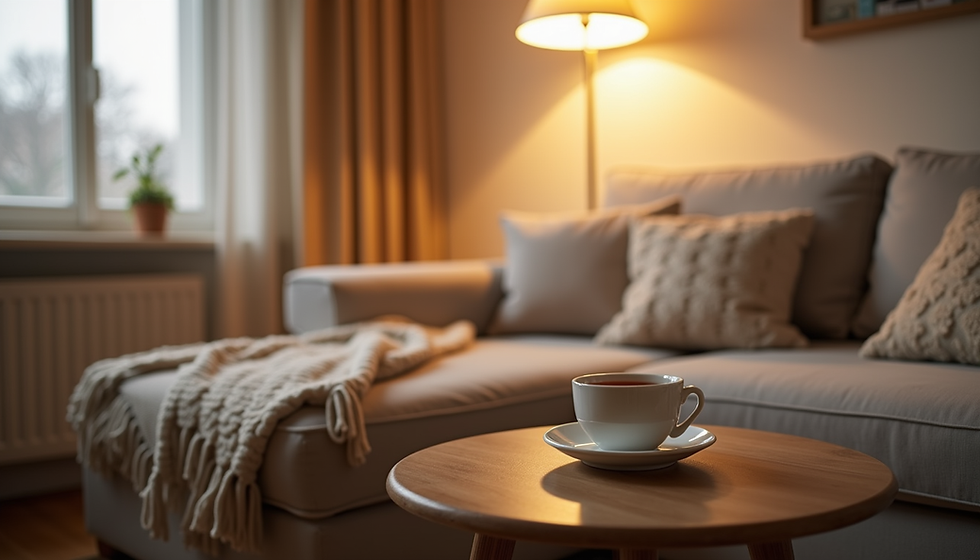
Use warm-toned bulbs in lamps and overhead fixtures
Add dimmer switches to control brightness levels
In rooms where natural light is limited, consider full-spectrum bulbs that mimic daylight. Soft lighting creates a soothing atmosphere that supports relaxation and emotional balance.
Choose Soothing Colors and Textures
Colors influence emotions. Soft, muted tones like pale blues, greens, and warm neutrals promote calmness. Avoid overly bright or dark colors that can feel stimulating or heavy. Incorporate textures that invite touch and comfort, such as:
Plush rugs
Soft cushions and throws
Natural materials like wood, cotton, or linen
For instance, a bedroom painted in a gentle sage green with cozy bedding can help you unwind and improve sleep quality. Thoughtful color and texture choices make your home feel welcoming and peaceful.
Create Dedicated Spaces for Relaxation
Designate areas in your home specifically for rest and mindfulness. These spaces should be free from distractions and technology. Ideas include:
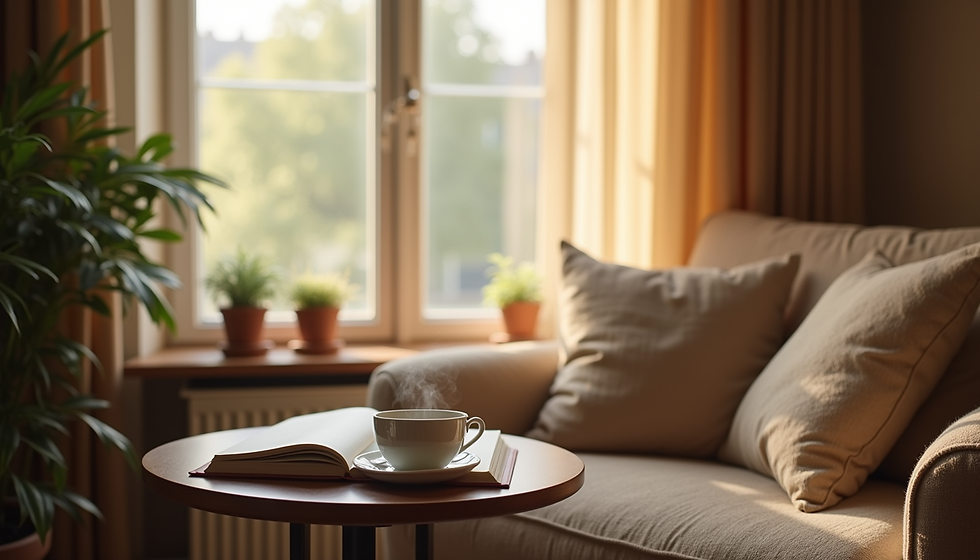
A reading nook with a comfortable chair and good lighting
A meditation corner with cushions and calming objects
A small indoor garden or plant area
Having a dedicated spot to pause and breathe encourages regular self-care. Even a small corner can become a powerful refuge from daily stress.
Incorporate Nature Indoors
Bringing elements of nature inside can reduce anxiety and boost mood. Plants improve air quality and add life to your space. Consider:
Houseplants like snake plants, pothos, or peace lilies
Fresh flowers in a vase
Natural materials like stone or wood decor
For example, placing a few potted plants near windows or on shelves adds greenery and a sense of calm. Nature’s presence indoors connects you to the outdoors and supports emotional wellbeing.
Minimize Noise and Distractions
Noise pollution can increase tension and disrupt focus. To create a quieter home:
Use rugs, curtains, and cushions to absorb sound
Close doors to block noise from other rooms
Play soft background music or white noise if needed
If you live in a noisy area, consider soundproofing options like weather stripping or window inserts. A peaceful sound environment helps you feel grounded and less overwhelmed.
Maintain Cleanliness and Fresh Air
A clean home feels more inviting and less stressful. Regular cleaning reduces allergens and creates a healthier environment. Tips include:
Ventilate rooms daily by opening windows
Use natural cleaning products to avoid harsh chemicals
Keep surfaces tidy and free of dust
Fresh air circulation refreshes your space and supports clear thinking. Cleanliness and good air quality contribute to a calm and healthy home.
Personalize Your Space with Meaningful Items
Your home should reflect who you are and what makes you feel good. Surround yourself with objects that bring positive memories or inspiration, such as:
Photos of loved ones
Artwork that uplifts you
Items collected from nature or travels
These personal touches create emotional warmth and a sense of belonging. When your space feels truly yours, it supports emotional comfort and wellbeing.
Establish Daily Routines that Support Calm
How you use your home affects your emotional state. Build routines that encourage peace, such as:
Morning stretches or meditation in your relaxation space
Evening dimming of lights and turning off screens an hour before bed
Regular tidying sessions to keep clutter in check
Consistent habits help your brain associate your home with calm and rest. Over time, these routines strengthen your emotional resilience.

Comments